

Last Updated: November 21, 2026
Quick Summary
A sensory friendly Christmas gift guide should start with the recipient's sensory profile, not the product, matching gifts to whether someone seeks or avoids sensory input. Choose quiet fidgets, washable weighted items, noise-reducing headphones and soft plain clothing, and always check safety, budget and consent before buying.
- Sensory seekers want texture and resistance, while avoiders need quiet items and control over input.
- For toddlers, choose large sealed wipe-clean items with no small parts, magnets or batteries.
- A fidget pack with several textures usually beats one novelty item for focus.
- Made-to-order items take 2 to 5 working days production plus 3 to 7 working days UK delivery.
- Ask the recipient or parent what they want, and respect a no to disliked clothing or textures.
Table of Contents
- Top Picks at a Glance: Sensory Friendly Gifts by Category
- Sensory Gifts for Children: Matching the Gift to the Profile
- Fidget Toys for Children: What Actually Helps
- Weighted and Calming Comfort Gifts
- Sensory Gifts for Adults: Thoughtful Options That Respect Preferences
- Sensory-Friendly Christmas Activities for a Calmer Day
- Gift Safety, Budget Tiers and Getting Consent Right
- Ordering Personalised Sensory-Friendly Gifts Before the Christmas Cut-Off
- Frequently Asked Questions
Top Picks at a Glance: Sensory Friendly Gifts by Category
A sensory friendly Christmas gift guide works best when it starts with the recipient, not the product. At TheInstantGalleryGB, we build made-to-order pieces for families. Below, we break down what genuinely helps across sensory profiles, ages and budgets, so you can shop with confidence.
Sensory processing differences are common among autistic and ADHD children and adults, and the right gift can support self-regulation, focus and comfort during the busiest weeks of the year. The wrong gift, however well meant, can sit in a drawer. This guide shows you how to match the gift to the person.
Here is our summary of the categories we cover, with an honest verdict on each.
| Category | Best For | Typical Price Band | What to Look For |
|---|---|---|---|
| Fidget toys | Sensory seekers, focus | £5-£25 | Quiet mechanisms, no loose parts |
| Weighted items | Anxiety, grounding | £25-£80 | Washable covers, correct weight |
| Noise-reducing headphones | Sensory avoiders | £20-£60 | Comfortable fit, rechargeable |
| Movement toys | Vestibular seekers | £30-£120 | Safe clearance, sturdy build |
| Cosy clothing | Calming comfort | £30-£35 | Soft seams, plain front |
| Creative kits | Calm focus | £10-£40 | Wipeable, low mess |
Typical Price Band
Quick picks:
- Best calming comfort gift: A plain, soft jumper or hoodie with no scratchy labels
Sensory Gifts for Children: Matching the Gift to the Profile
The best sensory gifts for children match the child's profile, not their age alone. A gift that calms one child can overwhelm another, so start by asking whether the child seeks sensory input or avoids it. That single question narrows the list faster than any trend. But profile alone is not enough: a toddler, a seven-year-old and a teenager need different things from the same category, and safety rules change with every stage.
For Sensory Seekers
Sensory seekers crave input and often need it to feel calm. A common mistake is buying something visually exciting but silent to touch. Seekers want texture and resistance. For younger seekers, choose larger, sealed items with no loose parts; for older children, a mixed fidget pack lets them rotate textures as their needs change through the day.
For Sensory Avoiders
Sensory avoiders find too much input distressing, so quiet and control matter more than stimulation. A plain, cosy jumper gives comfort without demand. Avoid scented items, scratchy fabrics and anything with flashing lights. In practice, the best gift for an avoider is often the one that lets them step away, and for a child, that means something they can use independently, without an adult setting it up.
By Age and Stage
Age is the second filter after profile, and it changes both suitability and safety.
- Toddlers (roughly 1-3): prioritise large, sealed, wipe-clean items with no small parts. Avoid anything with batteries, magnets or loose beads, and check for choking hazards before gifting.
- Young children (roughly 4-7): check that any small items have enclosed mechanisms and are kept away from carpets and upholstery.
- Older children (roughly 8-12): cosy clothing suits a wide range of profiles. This is the age when children can start choosing their own items, so offer a small selection and let them lead.
- Teenagers: respect autonomy. Plain, soft clothing, noise-reducing headphones and low-demand creative kits tend to land better than novelty items. Ask before buying anything that makes a sensory statement in public.
Mixed and Changing Profiles
Many children are not purely seekers or avoiders. A child may seek movement but avoid noise, or their needs may shift with tiredness, hunger or the excitement of Christmas. A mixed-profile gift, a quiet fidget paired with a cosy item, or headphones plus a movement outlet, gives the child options rather than committing them to one mode. When in doubt, choose the gift that offers control: something the child can pick up, adjust or put away.
Watch out: a gift that suits the child in October may not suit them in December, so keep receipts and choose items that are easy to exchange.
Fidget Toys for Children: What Actually Helps
Fidget toys for children help most when they support focus without becoming a distraction. The useful ones are quiet, sturdy and simple to use. A fidget pack with a few different textures usually beats one novelty item, because the child can choose what their hands need on the day.
What most guides miss is that a fidget only helps if the child chooses to use it. Forced fidgets become toys to be fiddled with and discarded. Offer a small selection and let the child lead. Sensory putty, squishy toys and chewable jewellery all work well for different needs, and a wipeable surface keeps the mess manageable.
Watch out: cheap fidgets with loose parts can break and become a choking hazard, so check the build quality before gifting to younger children.
Weighted and Calming Comfort Gifts
Weighted and calming comfort gifts support grounding and emotional regulation, and they suit both children and adults. Choose a weight that feels supportive rather than restrictive, and check the cover is washable.
Cosy textures do a lot of quiet work here. A soft, plain hoodie or jumper gives warmth and comfort without scratchy seams or busy prints. Our plain hoodie with a tiny compass is a good example: a clean front, soft cotton blend and no loud design, so it works as a comfort item rather than a statement.
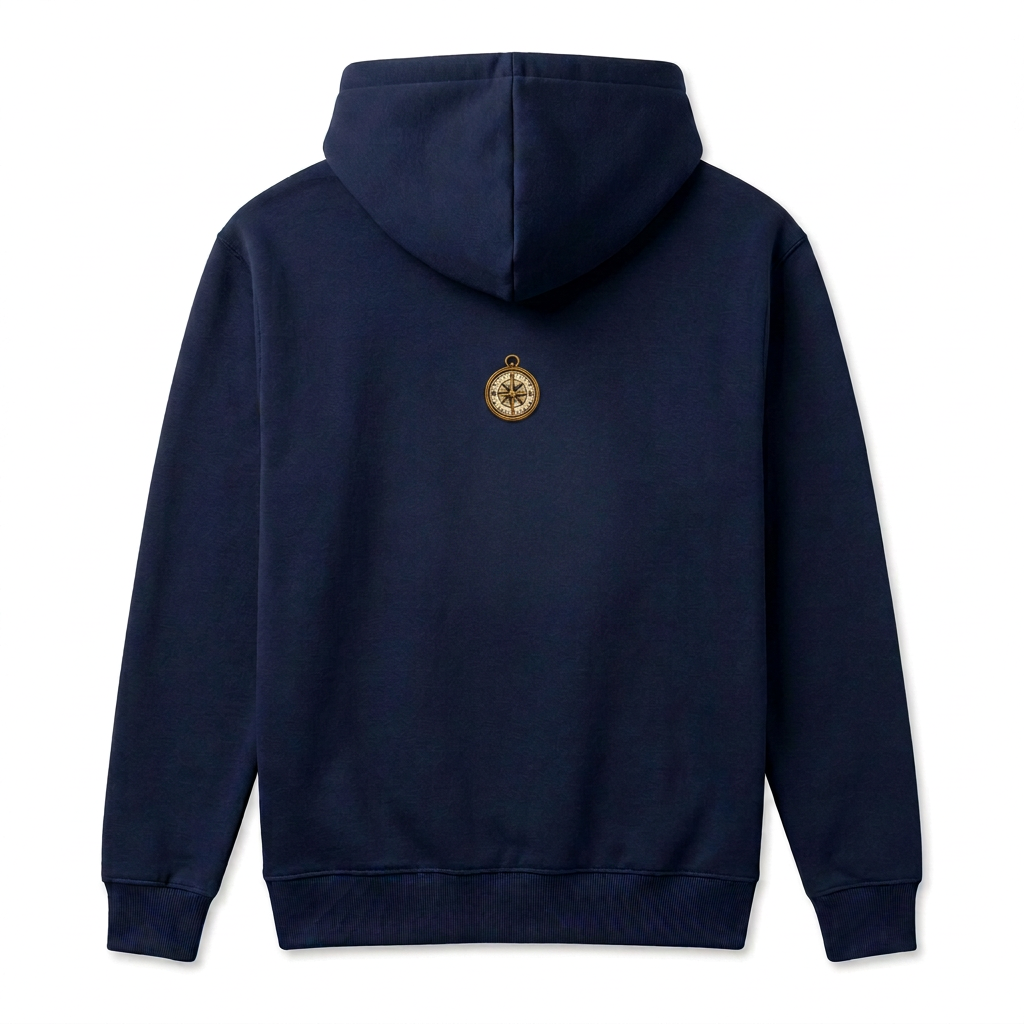
Best for: anyone who settles with gentle pressure and soft fabric. Skip if: the recipient dislikes weight or restriction on their body.
Sensory Gifts for Adults: Thoughtful Options That Respect Preferences
Sensory gifts for adults deserve the same care as gifts for children, and often get less. Many autistic and ADHD adults have spent years masking discomfort, so a gift that respects their preferences is genuinely valuable. Think calming, practical and low-demand.
A soft, plain jumper is a practical calming comfort gift an adult can actually use. Our plain jumper with a tiny compass has a clean front and a soft cotton blend, which makes it a low-stimulation option for someone who finds busy clothing stressful. For an easy, low-commitment gift, a simple cotton tote bag with a limited design works well too.
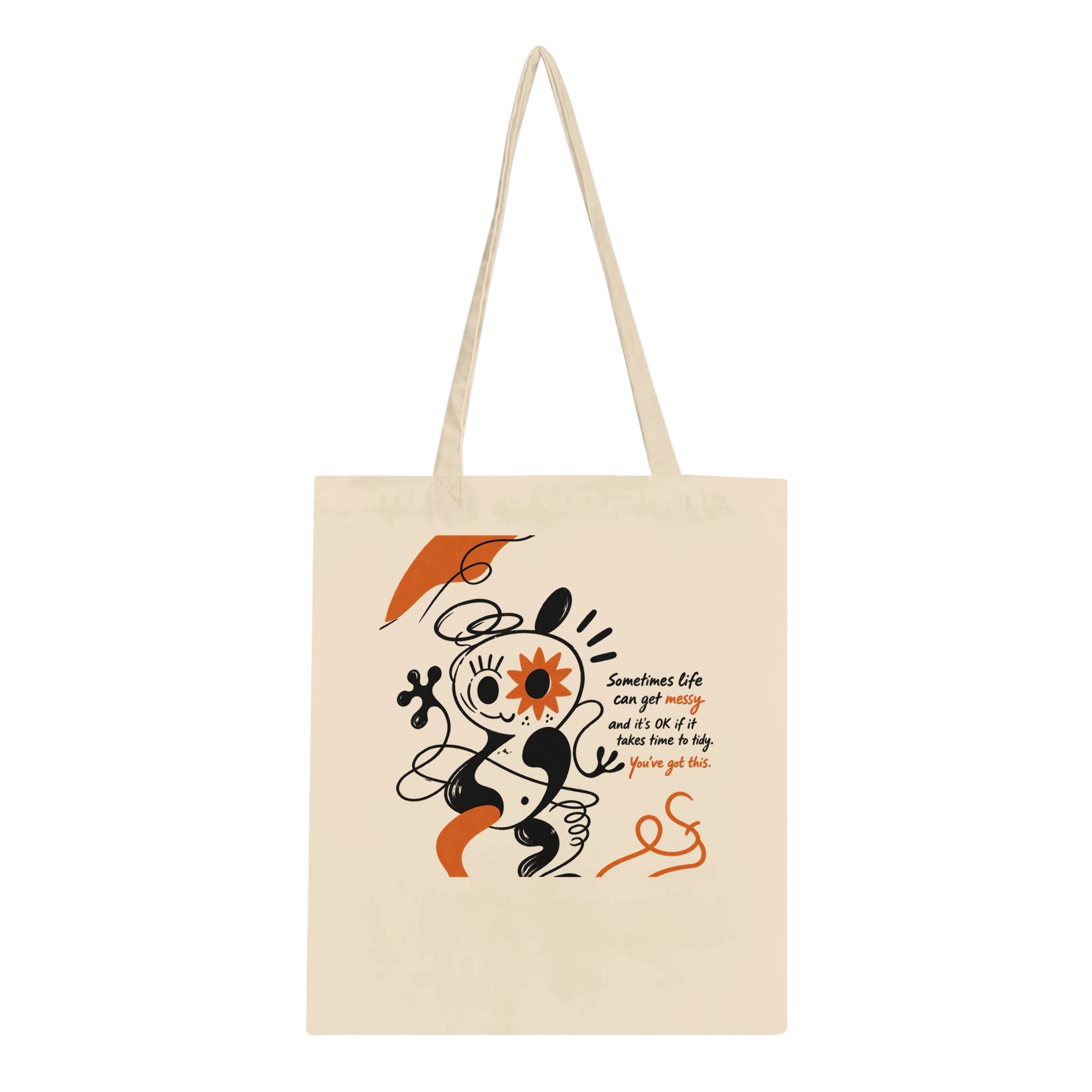
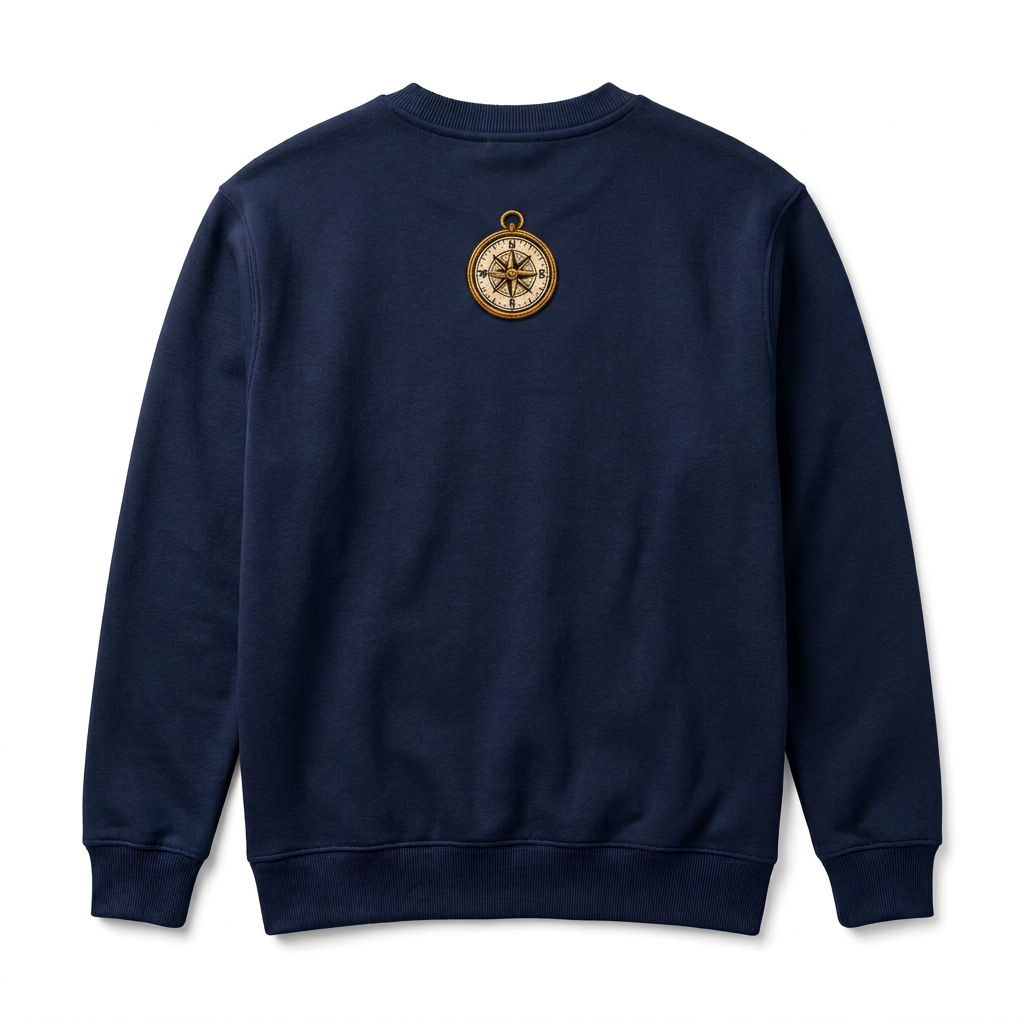
Avoid strong scents, complicated gadgets and anything that requires social performance to use. Respect is the gift here.
Sensory-Friendly Christmas Activities for a Calmer Day
Sensory-friendly Christmas activities reduce input rather than add to it. A calmer day is usually built from small choices: a quiet room available, a predictable schedule, and permission to step out. Creative activities and sensory play, such as drawing, simple crafts or a calm tray of materials, give focus without pressure.
Keep the volume low on the day. If you are hosting, agree a quiet space in advance and tell your guest where it is.
Watch out: surprises and crowded schedules are the usual triggers. Share the plan early and keep the day flexible.
Gift Safety, Budget Tiers and Getting Consent Right
Gift safety, budget and consent are the angles most gift guides skip, and they matter most. A sensory gift that is unsafe, unaffordable or unwanted is worse than no gift at all, so treat these three checks as part of the shopping list rather than an afterthought.
Safety Checks Before You Buy
- Choking hazards: for children under three, avoid small loose parts, magnets, button batteries and anything that can be pulled apart. Check seams on soft toys and confirm fidget mechanisms are enclosed.
- Materials and finishes: for anyone with sensitivities, favour soft cotton blends, plain fronts and no scratchy labels.
- Batteries and electronics: secure battery compartments and avoid flashing lights for sensory avoiders.
Budget Tiers
Budget tiers help you plan honestly, and they let you compare a stocking filler with a larger gift without guessing:
- Under £20: mugs, tote bags
- £20-£40: cosy clothing, such as the plain jumper and hoodie
A useful rule is to spend more on the item the recipient will use daily and less on novelty. A single well-chosen fidget that gets used every day beats a pile of items that sit in a drawer.
Getting Consent Right
Consent matters too, and it is easier than it sounds. Ask the recipient or their parent what they actually want, and respect a "no" to clothing or textures they dislike. A simple script helps: "I'd like to get you something sensory-friendly, would you prefer something to fidget with, something cosy, or something for quiet time?" For adults, ask directly rather than guessing, and make it clear that an exchange is fine. Recipient-led gifting avoids waste and shows real care.
Watch out: surprises and crowded schedules are the usual triggers at Christmas, so share the plan early, keep the day flexible and agree a quiet space in advance if you are hosting.
Ordering Personalised Sensory-Friendly Gifts Before the Christmas Cut-Off
Ordering personalised sensory-friendly gifts before the Christmas cut-off takes planning, because made-to-order items need production time. At TheInstantGalleryGB, every item is printed fresh, so we recommend ordering early rather than relying on last-minute dispatch.
Our made-to-order process runs production in 2 to 5 working days, with UK delivery in 3 to 7 working days for the plain jumper and hoodie. That means ordering well ahead of the final posting dates is the safe approach. If you need a size change, contact us before your order goes into production.
As each item is made for you we cannot accept change-of-mind returns, so check sizes against our size guide and confirm preferences with the recipient first. A little planning now avoids a stressful December.
The real challenge with sensory-friendly gifting is matching the present to the person, not the trend. At TheInstantGalleryGB, we make that easier with made-to-order apparel and gifts, including soft plain jumpers and hoodies, dishwasher-safe mugs and cotton tote bags, all printed fresh for you. Browse our range and order early to beat the Christmas rush.
Frequently Asked Questions
What are good sensory friendly Christmas gifts?
The best sensory friendly gifts match the recipient's sensory profile rather than the latest trend. For sensory seekers, look at textured fabrics. For sensory avoiders, prioritise soft seam-free clothing. Always check age suitability and whether the item is wipeable or machine washable, since gifts that are hard to clean often end up unused.
What gifts are suitable for autistic children?
Autistic children often respond well to gifts chosen around their specific interests rather than generic toys. Gifts chosen around the child's specific interests are a good starting point. Avoid surprises that are loud, brightly flashing or heavily scented. It also helps to give the gift in a low-key way, with the packaging opened in advance, so the child can explore it at their own pace without an audience.
What are calming gifts for someone with sensory needs?
Calming gifts usually focus on regulation rather than entertainment. Cosy textures and soft, plain clothing work well for comfort. Ask the recipient or their family what they already use, because a calming tool that does not match their preference tends to sit in a cupboard.
How do I choose a sensory friendly gift?
Start with the person, not the product. Note whether they seek sensory input or avoid it, which textures and sounds they tolerate, and what they already reach for when anxious. Then set a budget tier and check practical details: age suitability, machine washability, rechargeable versus battery power, and whether anything is scented. If you are unsure, a personalised item such as a printed mug or tote is a familiar, useful option.
Are fidget toys good gifts for children with sensory needs?
Fidget toys can be genuinely useful, but only when they match the child's needs. Check for small parts if the child is young, and avoid anything with flashing lights or loud clicks if they are sound-sensitive.
